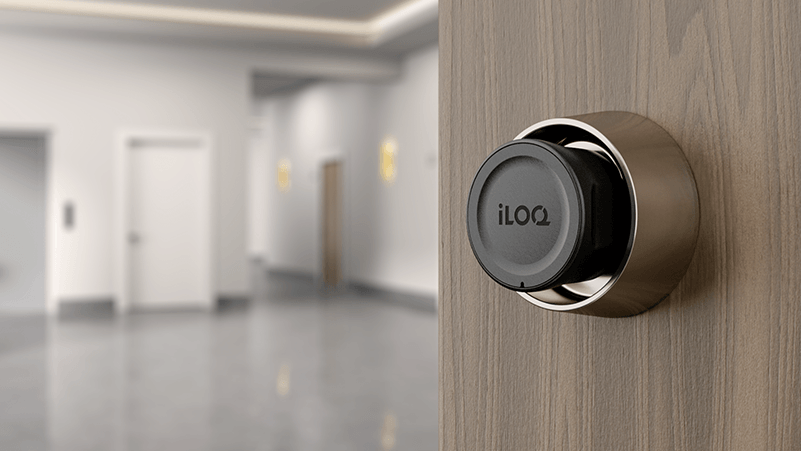
Why should you choose smart locks?

In an increasingly connected world, the way we secure our homes, offices, and shared spaces is evolving rapidly. Traditional mechanical locks, while familiar and reliable, are rapidly being replaced with a new generation of technology: smart locks.
These digital locking systems offer a range of features that go far beyond simply locking and unlocking a door. But why should you choose a smart lock? What are the pros and cons of smart locks, and who stands to benefit the most?
This article explores the benefits of smart locks for three key groups – property owners, locking system administrators, and end users – and examines their advantages in both new-builds and older buildings.
What are smart locks?
Smart locks are electronic locking systems that allow users to manage access to a property using digital credentials rather than traditional keys. These credentials can include PIN codes, smartphone apps, RFID cards, biometrics, or even remote access via the internet. Smart locks can be standalone devices or integrated into broader smart home or building management systems.
What are the core advantages of smart locks?
Before diving into the specific benefits for each group, let’s look at the general advantages of smart locks:
- Secure access with digital keys or smartphone keys: No more security concerns with lost or stolen mechanical keys.
- Remote access: Access rights that can be shared remotely and in real time.
- Access logs: Smart locks provide functionality to track when a lock has been opened and closed.
- Quick and easy administration: Grant, update or revoke access instantly.
- Integration: Seamless connection of smart-locking solutions with building management systems.
These features make smart locks a compelling upgrade for virtually any property.
Benefits of smart locks for property owners
- Increased property value and appeal
For property developers and landlords, smart locks are a modern amenity that can increase the value and appeal of a property. In competitive real estate markets, offering smart access can differentiate a property and attract tech-savvy tenants or buyers.
- Simplified key management
Managing physical keys for multiple apartments or tenants is time-consuming and prone to errors. Smart locks eliminate the need for rekeying between tenants and allow for easy management of access rights.
- Enhanced security and monitoring
Some smart-locking solutions provide real-time access logs and alerts, giving property owners peace of mind. If a break-in attempt occurs, the system can notify the owner immediately.
- Cost savings over time
While the initial investment may be higher, smart locks reduce long-term costs associated with lost keys, lock replacements, and manual access management.
- Ideal for both new and older buildings
- New builds: Smart locks can be integrated into the building’s design and infrastructure from the start.
- Older buildings: Many smart locks are retrofit-friendly, requiring minimal changes to existing doors.
Advantages of smart locks for locking system administrators
- Centralized access management
For administrators managing access across multiple doors or buildings – such as in office complexes, schools, or apartment blocks – smart locks offer centralized control. Access can be granted, updated or revoked instantly from a single platform.
- Audit trails and compliance
Some smart-locking solutions automatically log every access event, which is invaluable for compliance with security protocols or legal requirements. This is especially important in healthcare, education, and corporate environments.
- Reduced maintenance and downtime
Unlike mechanical locks, which wear out and require physical servicing, smart locks can often be updated or diagnosed remotely. This reduces downtime and maintenance costs. Solutions such as iLOQ, that are battery-free, also eliminate the need to purchase batteries and the maintenance time and costs to continually replace them.
- Scalable solutions
Smart lock systems can scale with the organization. Whether managing 10 doors or 1,000, administrators can maintain consistent control and visibility.
- Integration with other systems
Some smart locks can be integrated with, for example, alarm systems, surveillance cameras, and building management platforms, creating a cohesive security ecosystem.
Why are smart locks better for end users?
- Convenience and ease of use
For residents, employees, or guests, smart locks offer unmatched convenience. Access can be granted to just one digital key, a smartphone or with a simple code.
- Personalized access
3rd-party service providers can be given temporary or scheduled access. For example, a cleaner can be given access only on Tuesdays between 10 a.m. and 12 p.m., and the system will automatically revoke it outside those hours.
- Peace of mind
Smart locks sometimes include features like auto-locking, remote monitoring, and tamper alerts, which help users feel more secure.
- Accessibility
Smart locks can be a game-changer for people with disabilities or mobility issues. Voice commands, app-based control, and biometric access make entry easier and more inclusive.
- Compatibility with smart ecosystems
For tech-savvy users, some smart locks can be integrated with voice assistants like Alexa, Google Assistant, or Apple HomeKit, enabling voice-controlled locking and unlocking.
Smart locks in new builds vs. older buildings
New builds
- Design integration: Smart locks can be seamlessly incorporated into the building’s architecture and electrical systems.
- Futureproofing: Developers can offer smart-ready homes or offices, increasing long-term value.
- Energy efficiency: Integration with HVAC and lighting systems can optimize energy use based on occupancy.
Older buildings
- Retrofit options: Many smart locks are designed to fit existing deadbolts or latch systems, making them ideal for renovations. Mechanical cylinders can be replaced with iLOQ’s smart-lock cylinders in a matter of minutes. There is no need for special tools or to make changes to the doors or existing infrastructure.
- Minimal disruption: Wireless models, such as iLOQ’s solutions, reduce the need for extensive rewiring or structural changes.
- Modernization: Upgrading to smart locks can breathe new life into older properties, making them more attractive to modern tenants.
What are the pros and cons of smart locks?
Pros
- Convenience: One digital key or a smartphone contain all the access rights needed to move smoothly around living and working environments.
- Security: Real-time alerts, access logs, and advanced authentication.
- Flexibility: Works for residential properties, offices, critical infrastructure sites and more.
- Integration: Compatible with smart home and security systems.
- Scalability: Suitable for single doors, entire buildings or a network of remote critical infrastructure sites.
Cons
- Cost: Higher upfront investment compared to traditional locks. iLOQ’s battery-free solutions cut lifecycle costs and have a fast return on investment.
- Power dependency: Some smart-locking solutions require batteries or a source of electrical power. iLOQ’s solutions are entirely battery and cable-free. With the digital-key-based solution, the power to recognize access rights programmed to the key and open locks comes from the energy harvested by pushing the key into the lock. With the smartphone-based solution, the power to recognize access rights sent to iLOQ’s app running on the phone and open locks comes from the NFC induction of the phone when it is held against the lock.
- Connectivity issues: Some smart-locking solutions rely on Wi-Fi or Bluetooth, which can be disrupted. iLOQ’s solution is once again a great choice as no Wi-Fi, Bluetooth or internet connection is needed ensuring reliable access in remote environments and even in power outages.
- Learning curve: Some users may need time to adapt to new technology. iLOQ’s programming solution is quick and easy to learn and the digital keys are as easy to use as traditional mechanical keys. User-friendly interfaces and features tailored for all customer groups are helping to make smartphones a feasible way of getting access.
- Cybersecurity: Like any connected device, smart locks can be vulnerable if not properly secured. iLOQ’s strong cloud infrastructure, advanced encryption and data protection methods and compliance with global standards in place create a security-centric solution for modern access control. This enhances our ability to deliver cutting-edge solutions to our customers, ensuring they remain protected against the evolving landscape of cyber threats.
Have we convinced you to choose a smart lock?
The question isn’t “Why should you choose smart locks?” but rather, “Why not?” The benefits of smart locks are clear across the board – for property owners seeking efficiency and value, for administrators looking for a faster and easier way of managing complex access systems, and for end users who want convenience, security and a smart living environment.
Whether you’re installing an access system in a brand-new commercial property, upgrading a century-old apartment building or searching for a way to maximize security while minimizing lifecycle costs in critical infrastructure, smart locks offer a flexible, scalable, and future-ready solution. In a world where digital convenience is becoming the norm, smart locks are not just a luxury – they’re quickly becoming a necessity. Get in touch to find out more.
Contact us
Contact your local iLOQ team for a free consultation.