Smart locks buyers guide: How to choose the right solution for your property

As businesses increasingly prioritize security, efficiency, and digital transformation, many are changing to smart locks to replace outdated mechanical systems. Whether you’re managing multifamily properties, student housing, commercial buildings, or critical infrastructure sites, buying smart locks can significantly enhance security, reduce admin and operational costs, and improve the user experience.
This smart lock buyers guide is designed to help facilities managers, procurement teams, and IT/security professionals make informed decisions when evaluating smart locks for B2B environments.
Why the demand for smart locks is growing
The need for smart locks is on the increase due to several trends:
- Security concerns: Traditional mechanical keys are easily lost, copied, or stolen. Smart locks offer audit trails and real-time monitoring.
- Operational efficiency: Automating access management reduces the burden on facility staff and improves tenant or employee satisfaction.
- Remote access management: More flexible working environments and hybrid work models require flexible, remote access management.
- Integration with building systems: Smart locks can integrate with security cameras, alarms, and building management systems.
Key considerations when buying smart locks
When changing to smart locks, consider the following factors to ensure a successful transition:
1. Requirements assessment
- Access needs: Who needs access, and when? Consider employees, contractors, visitors, and delivery services.
- Environment: Indoor vs. outdoor use, weather resistance, and vandal-proofing.
- Compliance: Industry-specific regulations (e.g., GDPR, HIPAA, ISO standards).
2. Installation and maintenance
- Retrofit vs. new installation: Can the system be installed on existing doors?
- Power source: Battery-operated, wired, or hybrid, etc.
- Key management: How are digital keys issued, updated, revoked, and tracked?
- Maintenance: What are the ongoing support and software update requirements?
3. Technology
- Connectivity: Wi-Fi, Bluetooth, etc.
- Mobile access: Support for smartphones, wearables, or biometric authentication.
- Integration: Compatibility with existing security systems, HR platforms, or visitor management tools.
- Cloud vs. on-premises: Where is access data stored and managed?
4. Safety and security
- Encryption: End-to-end encryption for data and communication.
- Tamper alerts: Real-time notifications for unauthorized access attempts.
- Audit trails: Logs of who accessed what, when, and how.
- Fail-safes: Backup access methods in case of power or network failure.
5. Vendor reputation
- Track record: Look for providers with proven experience in B2B smart locks.
- Certifications: ISO, UL, or other relevant security certifications.
- Customer support: Availability of 24/7 support, training, and documentation.
- References: Ask for case studies or client testimonials.
6. Request for Proposal (RFP) process
If you’re putting the project out to tender:
- Define scope clearly: Include number of doors, user types, and integration needs.
- Evaluate total cost of ownership: Include hardware, software, installation, and support.
- Request demos: Hands-on trials help assess usability and performance.
- Assess scalability: Can the system grow with your business?
7. Pricing
- Upfront vs. subscription: Some systems require a one-time purchase, others use SaaS models.
- Hidden costs: Watch for fees related to software updates, cloud storage, or additional users.
- ROI: Consider long-term savings from reduced key management, improved security, and operational efficiency.
Final thoughts
Choosing the right smart locks is a strategic investment in your property’s security and operational agility. By carefully evaluating your needs and comparing reputable providers, you can ensure a smooth transition from mechanical locks to a modern, scalable solution.
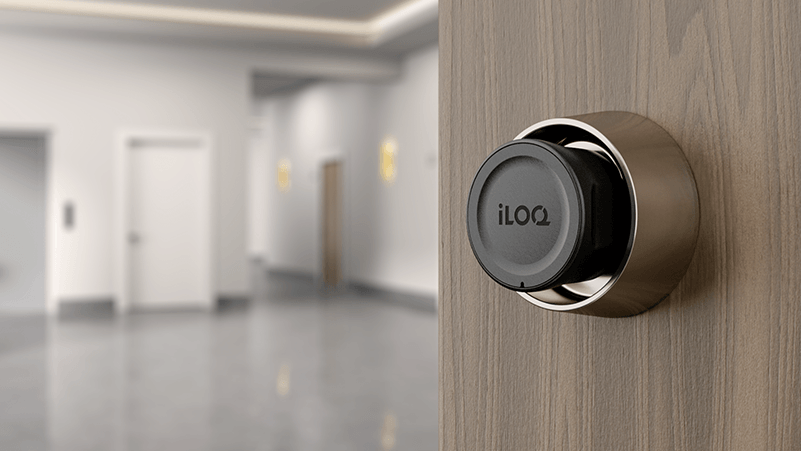
iLOQ is one of the most reputable providers in the access-management industry. Our portfolio of digital-key-based and smartphone-based smart locks is entirely battery- and cable-free and requires no Bluetooth, Wi-Fi or internet access. This means smart, secure and sustainable access in all weathers and even in power outages. Administration of access rights is quick and easy (remotely and in real time) with our state-of-the-art software. And, with no batteries to purchase or change, and no need for rekeying or replacing the whole locking system if a key is lost or stolen, lifecycle costs are slashed.
Our solutions are ideal for multifamily properties, student housing, commercial buildings and critical infrastructure sites. They can be installed in new buildings or retrofitted into older properties in a matter of minutes with no special tools and no need to make changes to the existing infrastructure.
Whether you’re just beginning to explore smart locks or preparing a detailed RFP, we hope this buyers guide provides a solid foundation for making a confident, informed decision.
Want to know more? Check out the References section of our website to see how plenty of satisfied customers have made the smart decision to upgrade their properties with our smart-locking solutions.