Telecom Theft Is Rising. Can You Prove Who Had Access?
Telecom theft and vandalism is getting expensive fast.
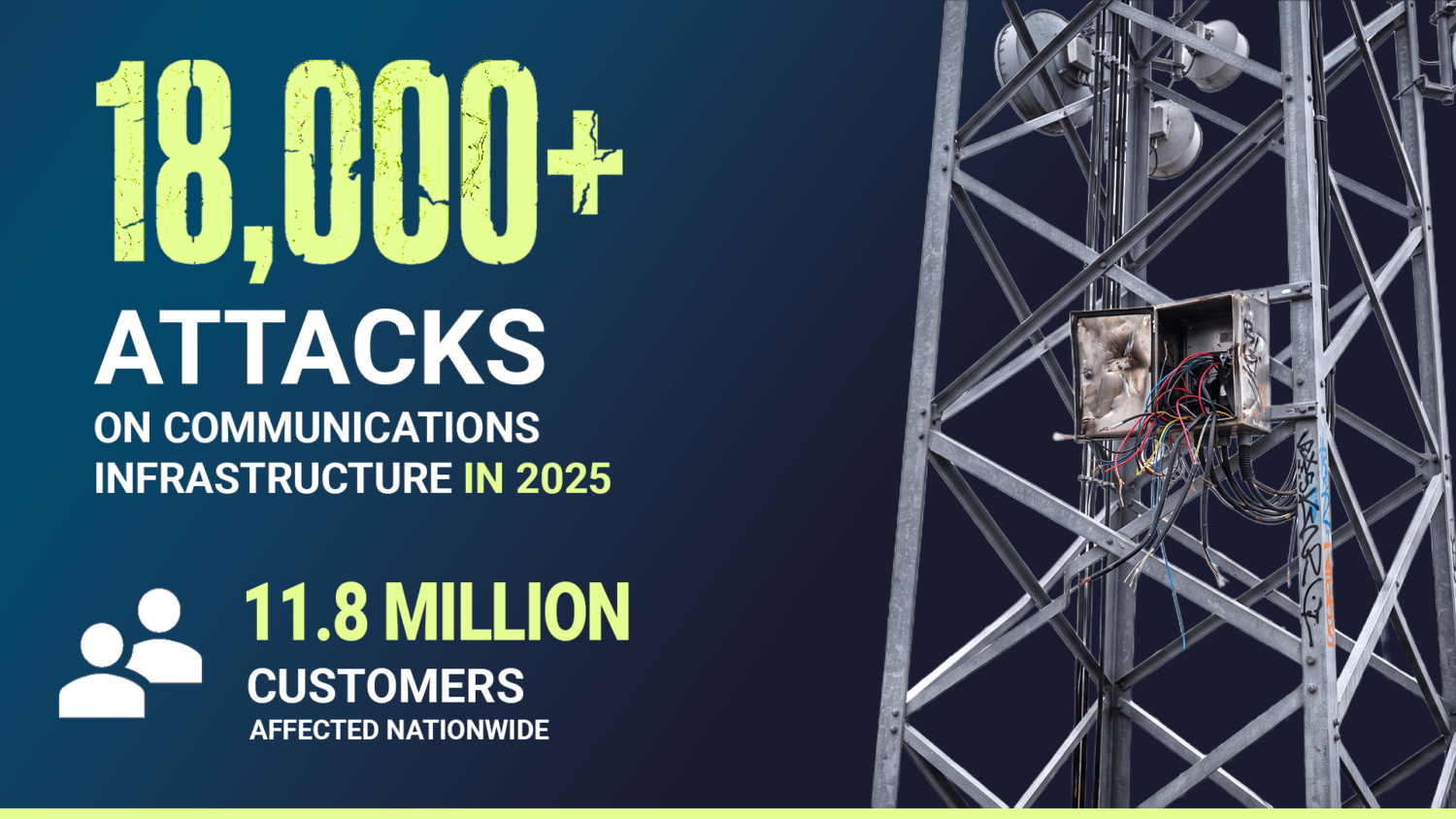
New reports covered by Inside Towers show more than 18,000 attacks on communications infrastructure in 2025, affecting 11.8 million customers nationwide. The industry is pushing for stronger laws, better scrap-metal oversight, and more serious prosecution. Good. But there is also a practical site-level question operators need to answer: Can you prove who had access to the site before, during, or after an incident?
Many remote telecom sites still rely on mechanical keys, shared gate codes, lockboxes, and daisy-chained padlocks.
That creates a major accountability gap.
After a theft or vandalism event, operators need to know:
- Who had access?
- When were they there?
- Was the access authorized?
- Can records support an investigation?
- Can crews restore service without waiting on keys, codes, or lock cuts?
That is where iLOQ fits.
iLOQ acts as an accountability layer for remote infrastructure access — helping operators reduce uncontrolled access, create defensible audit trails, support investigations with access records, and reduce friction when restoring service after vandalism.
No batteries in the lock. No wiring. No shared keys or codes. No guessing who had access.
If communications infrastructure is being treated as critical infrastructure, then physical access should be managed like critical infrastructure too.
Ready to eliminate physical keys and reduce OpEx?
iLOQ is the only battery-free digital locking system built for hostile environments and massive-scale contractor operations.