Are there keys that can’t be copied?

In today’s world, security is more than just a locked door – it’s about controlling access.
One of the most overlooked vulnerabilities in residential and commercial properties and critical infrastructure sites is the ease with which traditional keys can be copied. Whether it’s at a hardware store or through online services, unauthorized duplication is a real threat. Fortunately, there are keys that are designed to be copy-proof or extremely difficult to duplicate.
Why key copying is a security risk
Key duplication can happen without your knowledge. A tenant, contractor, or visitor might make a copy of your key and retain access long after their permission has expired. This can lead to:
- Unauthorized entry
- Theft or vandalism
- Compromised privacy
- Increased liability for property owners
That’s why choosing a key system that physically or digitally prevents copying is essential.
Types of keys that can’t be copied (or are very hard to copy)
Here are some key systems designed to prevent unauthorized duplication:
- Restricted key systems: These use patented keyways that can only be duplicated by authorized locksmiths with proper documentation.
- High-security mechanical keys: Some brands offer keys with complex designs and legal protections against unauthorized copying.
- Electronic access cards and fobs: These can be programmed and deactivated remotely, making them secure and flexible.
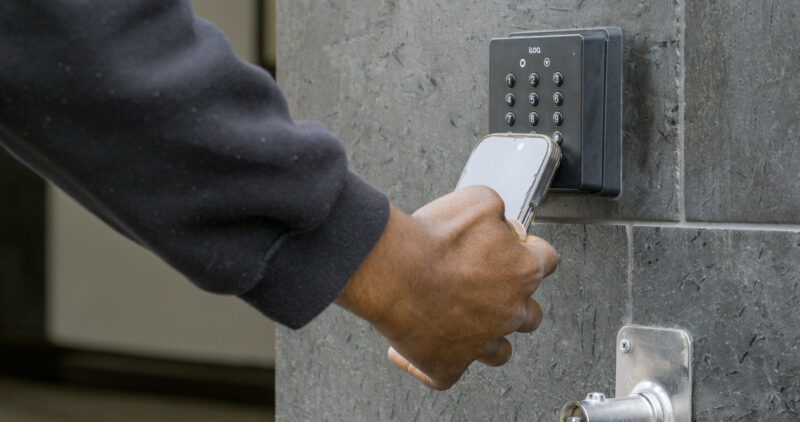
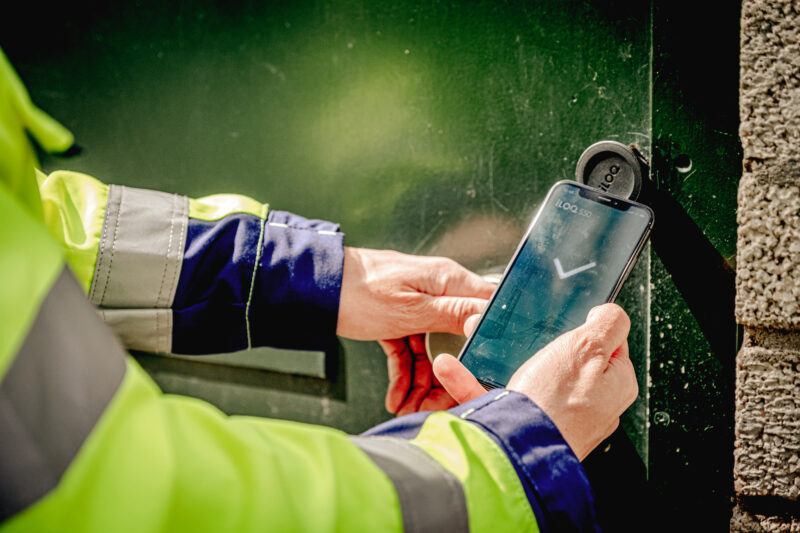
- Smart keys: These digital keys offer advanced encryption and secure authentication methods, reducing the risk of unauthorized access and duplication.
Why can’t a smart key be copied?
Smart keys, like those from iLOQ, are not just physical objects – they are encrypted digital devices that use secure authentication protocols. Here’s why they are so secure:
- Physically identical: Unlike traditional keys, smart keys look the same are and mechanically identical. This means there’s no point in copying them.
- Unique digital identity: Each iLOQ smart key has a unique digital identity programmed into its microchip. These digital credentials control to where the key has access.
- Encrypted communication: Each key communicates securely with the lock to verify its access rights.
- Remote management: Access rights are remotely and instantly programmed, updated and revoked using iLOQ’s software to keep access rights up to date. When no longer needed in one locking system, the keys can conveniently be reprogrammed and reused in another locking system.
- Audit trails: These chronological logs, that record all activities within an iLOQ locking system, provide a detailed history of who accessed what and when. These trails are crucial for security, compliance, transparency, accountability and troubleshooting, allowing administrators to monitor usage and identify potential issues.
Why choose a key that can’t be copied?
Opting for a smart-locking solution with keys that can’t be copied offers peace of mind and enhanced control over your property. Here’s who benefits most:
- Apartment buildings: Prevent unauthorized access to keep homes and their contents safe. Simplify key management and eliminate the risk of copied keys floating around.
- Commercial properties: Protect sensitive areas and reduce the risk of internal breaches.
- Schools and public institutions: Ensure only authorized personnel can access, for example, restricted zones.
- Critical infrastructure sites: Ensure only authorized technicians have access to the right sites at the right times to keep the infrastructure operating reliably.
By choosing a smart-locking solution with keys that can’t be copied, you’re investing in long-term security, reducing liability, and ensuring that access to your property remains in your control.
Want to know more? Check the References section on our website to read more from our growing list of satisfied customers.
Contact us
Contact your local iLOQ team for a free consultation.