Emergency access management in critical infrastructure
Critical‑infrastructure environments – including telecom towers, energy production sites, utilities, transportation hubs, and public‑service facilities – must maintain uninterrupted operations under all conditions. When incidents occur, whether caused by weather, equipment failure, cyber‑physical threats, or human error, rapid access for authorized personnel becomes essential. Emergency response teams must be able to reach affected sites quickly, securely, and without operational friction.
Traditional access‑control systems, particularly those based on mechanical keys or battery‑powered digital locks, introduce delays and vulnerabilities during emergencies. Lost keys, outdated permissions, drained batteries, and fragmented access‑management processes can significantly slow down response times and increase risk.
Cloud‑managed, battery‑free digital access systems – such as those provided by iLOQ – offer a resilient, scalable, and secure foundation for emergency access management across distributed critical‑infrastructure portfolios.
1. The operational challenge of emergency access
Emergency scenarios require immediate, controlled access to affected sites. However, critical‑infrastructure owners often face several constraints:
- geographically dispersed assets across urban, rural, mountainous, or Arctic regions
- unmanned or remote sites with no local personnel
- strict regulatory requirements for access logging and auditability
- multiple contractors and service providers with varying access needs
- limited or unstable connectivity at the site level
Mechanical keys and battery‑dependent digital locks are not designed for these conditions. They introduce delays, require physical handovers, and lack the flexibility needed for dynamic emergency response.
2. Cloud‑managed access for real‑time response
Cloud‑managed access systems provide centralized control over all locks, keys, and user permissions. During an emergency, administrators can:
- assign temporary access rights instantly to internal teams or external contractors
- revoke outdated or unnecessary permissions to reduce risk
- monitor access events in real time for compliance and incident analysis
- coordinate multi‑team response across multiple sites or regions
This centralized model ensures that only authorized personnel gain access, and that all actions are logged for post‑incident review.
Key capability: Access rights can be updated remotely, without requiring physical presence at the site or distribution of mechanical keys.
3. Battery‑free digital locks: Reliability under all conditions
Emergency access must be guaranteed even when environmental conditions are extreme or when power sources are unavailable. iLOQ’s battery‑free digital cylinders operate using patented energy‑harvesting technology, eliminating the risk of:
- drained batteries
- corroded battery contacts
- power‑supply failures
- maintenance delays
This ensures that locks remain fully operational during emergencies, regardless of weather, temperature, or site conditions.
Operational benefit: Emergency teams can rely on consistent lock performance without the need for battery replacement or on‑site maintenance.
4. Smartphone‑based emergency access
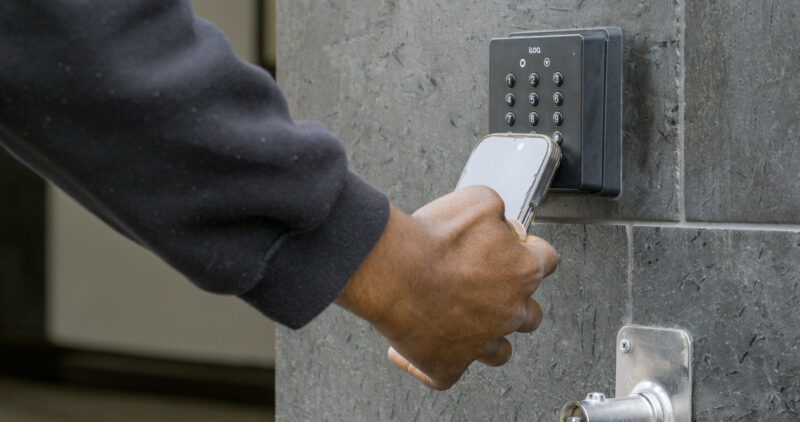
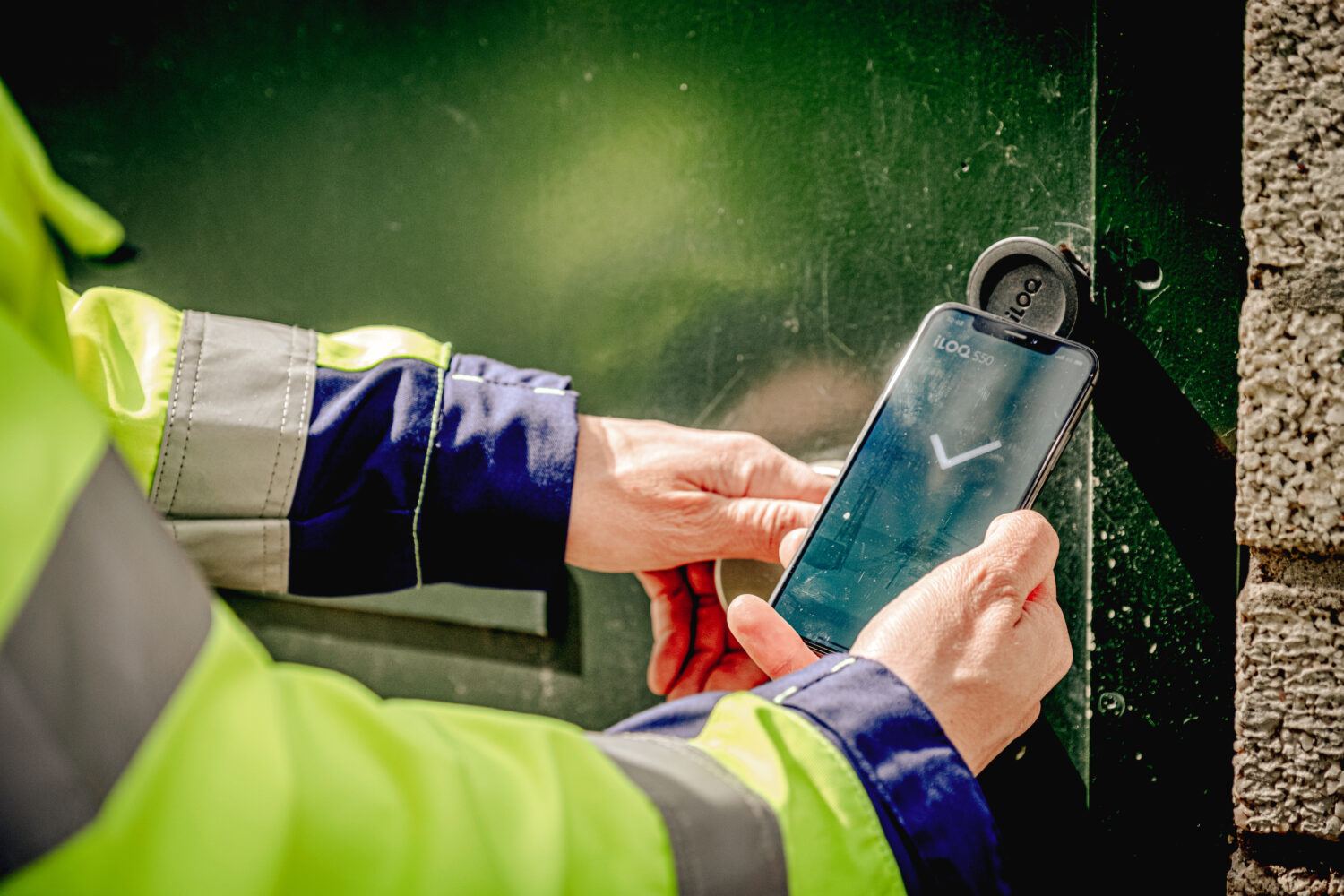
Smartphone‑based digital keys provide a secure, flexible, and rapid method for granting emergency access. Using NFC and encrypted communication, smartphones can serve as:
- temporary digital keys for contractors
- role‑based credentials for internal teams
- remote‑update access devices that receive permissions instantly
This eliminates the need for physical key distribution and ensures that emergency personnel can be deployed immediately.
Security advantage: Digital identities can be revoked instantly after the emergency, reducing long‑term risk.
5. Remote unlocking for critical situations
The iLOQ 5 Series+ platform introduces remote unlocking, enabling administrators to open locks from anywhere when conditions require immediate access.
Use cases include:
- emergency technicians arriving at a locked site
- first responders needing immediate entry
- unmanned sites requiring urgent intervention
- situations where physical keys cannot be delivered in time
Remote unlocking is executed through secure cloud communication and logged for full auditability.
6. Audit trails and post‑incident analysis
Regulatory frameworks for critical infrastructure often require detailed documentation of access events. Cloud‑managed systems automatically generate:
- timestamped access logs
- user‑specific event records
- site‑level activity reports
- data for compliance audits
These records support post‑incident analysis, help identify root causes, and strengthen future emergency‑response strategies.
Looking to strengthen emergency-response readiness across your critical-infrastructure portfolio?
iLOQ’s cloud-managed, battery-free access-management solutions help organizations provide secure, reliable and auditable access to remote and distributed sites without the limitations of mechanical keys or battery-dependent locks. Contact iLOQ to learn how modern digital access management can improve operational resilience, accelerate response times and support compliance across your critical infrastructure environments.
Contact us
Contact your local iLOQ team for a free consultation.