Why smart access is becoming critical infrastructure
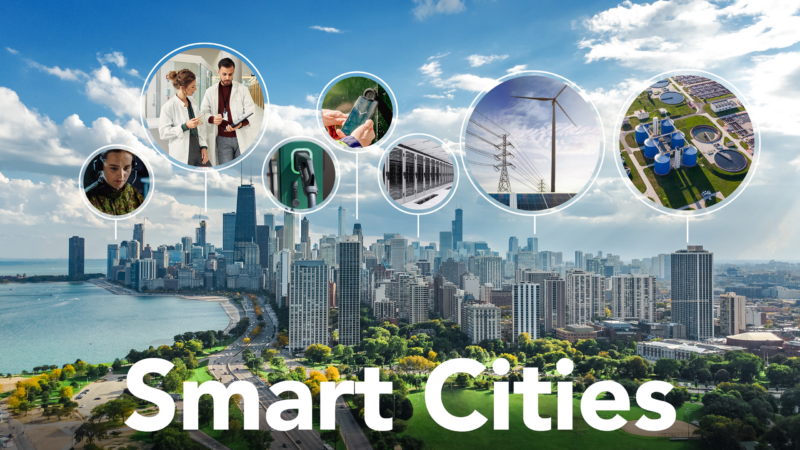
Across the world, critical infrastructure operators are facing a new reality. The assets they manage – often remote, dispersed, and essential to national stability – are now deeply intertwined with digital systems. As a result, smart access has shifted from a convenience to a core component of operational security.
Modern access management now sits at the intersection of cybersecurity, data analytics, and building automation, forming a unified ecosystem that protects both physical and digital environments.
The new security landscape: Where physical meets digital
1. Cybersecurity and smart access
Traditional mechanical keys offer no protection against digital threats. In contrast, smart access systems integrate encryption, authentication protocols, and secure digital identities to ensure that only authorized individuals can enter sensitive sites.
As cyber attacks increasingly target physical infrastructure, access management must be treated with the same rigor as any IT system. Smart access solutions help operators:
- Eliminate the risk of lost or copied keys
- Enforce real-time access rights
- Maintain secure audit trails
- Integrate access permissions with cybersecurity policies
2. Data analytics for operational intelligence
Access management is no longer just about opening doors. It’s a source of valuable operational data.
Smart access systems can provide insights such as:
- Who accessed which site and when
- Patterns of site activity
- Anomalies that may indicate security risks
- Usage trends that inform staffing and resource planning
For operators managing hundreds or thousands of remote sites, this data becomes essential for optimizing operations and improving resilience.
3. Building automation and integrated control
Smart access is increasingly part of a broader automation ecosystem. When integrated with building management systems, it can:
- Trigger alarms or notifications
- Coordinate with surveillance systems
- Support automated workflows for contractors and technicians
- Enable centralized access management across geographically dispersed assets
This convergence allows operators to manage access with the same efficiency and intelligence as other automated systems.
How iLOQ fits into the smart access domain
As the demands on critical infrastructure grow, so does the need for secure, reliable, and sustainable access solutions. iLOQ’s digital smart access technology is designed specifically for these challenges.
Secure digital access with strong encryption
iLOQ’s solutions use advanced, end‑to‑end encryption to protect digital identities and access rights. Whether using phone keys or physical keys with digital credentials, every interaction is authenticated and securely logged.
This ensures:
- No unauthorized duplication of keys
- Instant updates to access rights
- Full traceability without compromising privacy
Battery‑free and cable‑free access for remote sites
Many critical infrastructure assets – telecom towers, substations, pumping stations, wind turbines – are located in remote locations and often in harsh environments. Traditional electronic locks require batteries or wiring, which creates ongoing maintenance costs and logistical challenges.
iLOQ eliminates these issues entirely.
Key advantages for remote infrastructure:
- No batteries needed: Locks harvest energy from the motion of inserting the digital key into the lock or the NFC induction of a smartphone, removing the need to purchase, replace, or dispose of batteries.
- No cabling required: Installation is simple and does not depend on an existing or creation of a new electrical infrastructure.
- No site visits for maintenance: Because there are no batteries to change, operators avoid costly, time‑consuming and environmentally unfriendly travel to remote locations.
- No Wi‑Fi or internet connection needed: iLOQ’s technology works offline, ensuring reliable operation even in areas with no connectivity.
- Reliable in extreme weather: Designed for harsh conditions, iLOQ locks continue to function in cold, heat, moisture, and dust.
These features make iLOQ uniquely suited for critical infrastructure environments where reliability and sustainability are non‑negotiable.
Mobile access with phone keys for modern operations
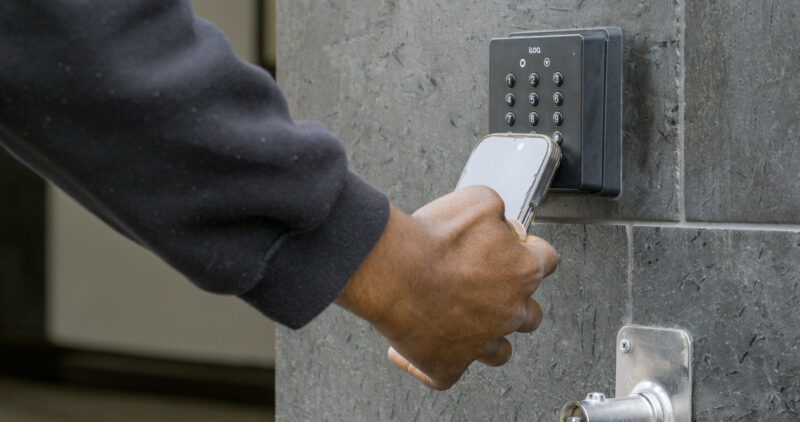
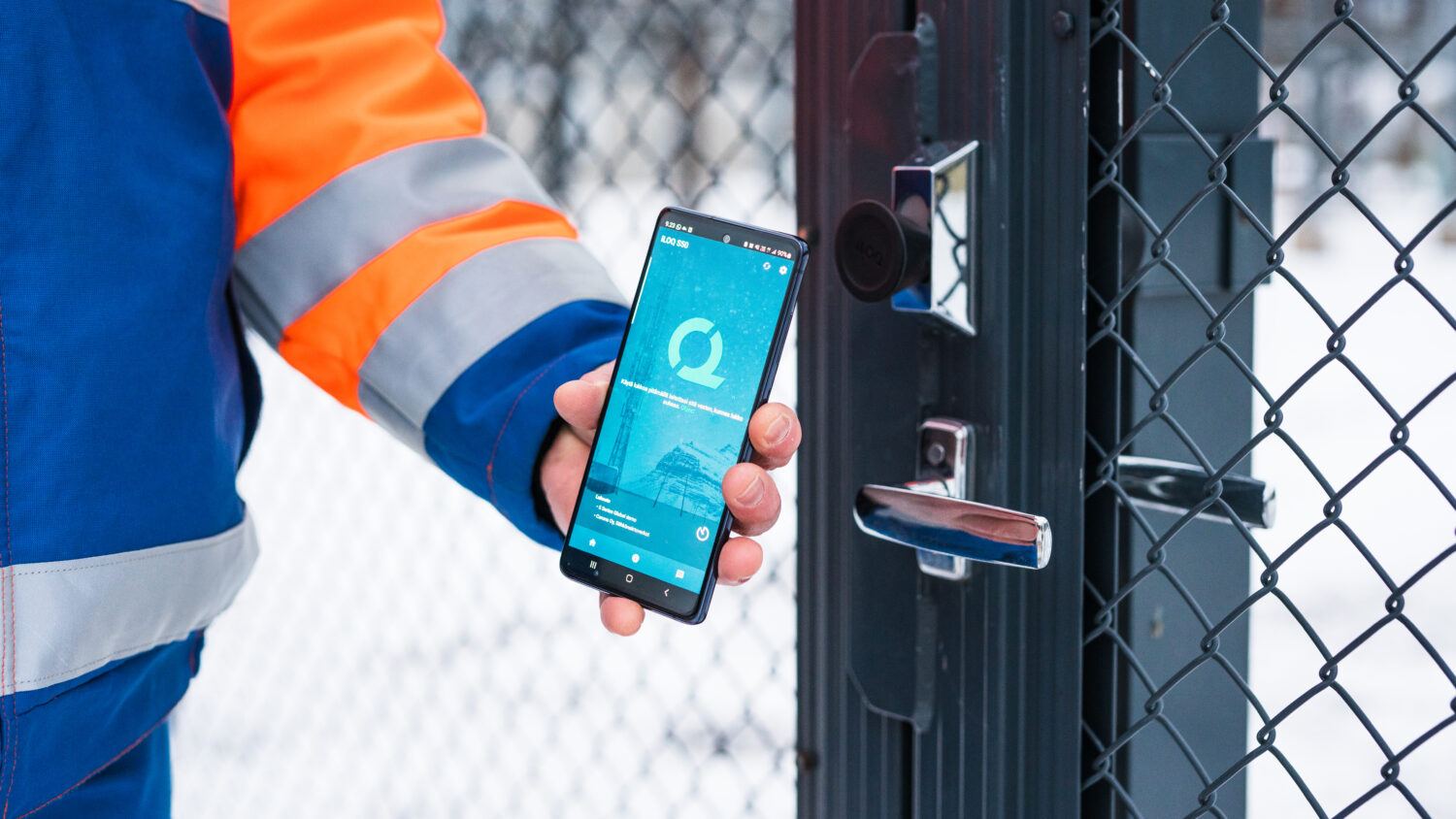
With iLOQ, smartphones become secure digital keys. This enables:
- Access rights to be shared to iLOQ’s app running on a technician’s smartphone
- The access rights can be instantly and remotely updated and cancelled as needs change
- Easy management of contractors and temporary workers
- Reduced administrative overhead
- No need to distribute or collect physical keys
For operators managing large, distributed networks, mobile access dramatically improves efficiency and reduces risk.
Smart access as a strategic investment
As critical infrastructure becomes more complex, the systems that protect it must evolve. Smart access is no longer just a security upgrade, it is a strategic investment in operational continuity, cybersecurity resilience, and long‑term sustainability.
iLOQ’s digital, battery‑free, and cable‑free solutions offer a future‑proof approach that aligns perfectly with the needs of modern infrastructure operators. By combining secure digital identities, robust encryption, and maintenance‑free hardware, iLOQ helps organizations protect their most essential assets while reducing costs and improving efficiency. Smart access is itself becoming critical infrastructure. And with iLOQ, operators can be confident that their access management is as resilient and intelligent as the sites it protects.
Read more about iLOQ’s solutions for critical infrastructure here.