Digital locks in emerging markets

As cities expand and lifestyles evolve, the global security landscape is undergoing a transformation. Digital locking solutions are gaining traction worldwide. But in emerging markets, adoption isn’t just a question of technology, it’s a matter of affordability, infrastructure, and cultural factors.
The question is: Can digital locking leapfrog traditional mechanical systems in the same way as mobile banking leapfrogged high-street banking?
Market drivers: Why digital locks make sense
- Rapid urbanization: Emerging economies are experiencing unprecedented urban growth, creating demand for secure, scalable solutions for apartments, co-living spaces, and shared facilities.
- Smartphone penetration: With mobile devices becoming more widespread, smartphone-based locking systems are increasingly practical.
- Security and convenience awareness: Consumers are prioritizing safety and ease of access, making digital solutions more attractive.
Challenges: Affordability and infrastructure
- Cost sensitivity: Traditional mechanical locks remain cheaper upfront.
- Connectivity and power reliability: Smart locks often depend on a stable internet and power supply – both of which can be inconsistent in emerging markets.
- Local support: Maintenance and technical assistance are essential for long-term success.
Leapfrogging traditional systems
Emerging markets have a history of skipping legacy technologies. Mobile banking bypassed traditional banking infrastructure; similarly, digital locks could replace mechanical systems without widespread intermediate adoption. The benefits – remote access, scalability, and enhanced security – are compelling.
Security and cultural considerations
- Cybersecurity risks: Limited digital literacy can increase vulnerability, requiring robust encryption and user education.
- Trust and behavior: Many consumers still prefer physical mechanical keys. Building confidence through marketing and education is critical.
Why iLOQ stands out
iLOQ’s innovations address the very barriers that slow adoption in emerging markets:
- Battery-free technology: iLOQ’s self-powered locks eliminate battery dependency – a major advantage in regions with an unstable electricity supply. This reduces maintenance costs and environmental impact.
- State-of-the-art security: iLOQ solutions use advanced encryption to protect data at every stage, from transmission to storage, ensuring unauthorized access is prevented.
- Scalability for urban living: Perfect for apartment complexes and co-living spaces, iLOQ solutions simplify access management for property owners and tenants.
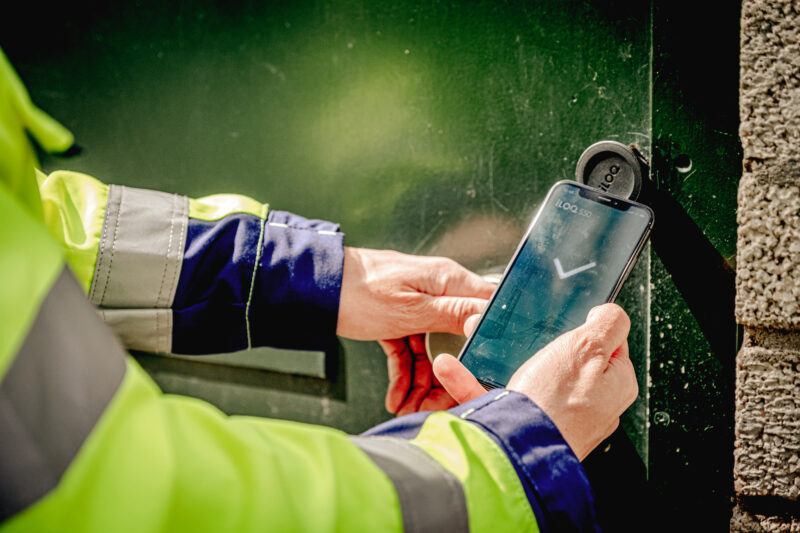
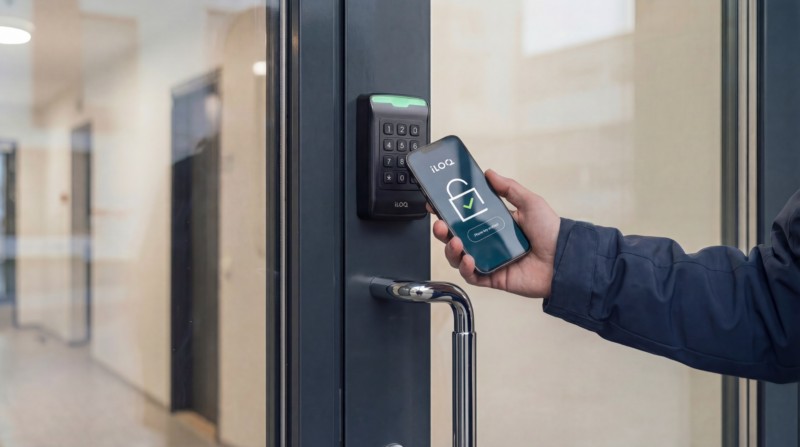
- Mobile access and offline functionality: Smartphone-based systems reduce the need for physical infrastructure like key distribution centers. Offline capabilities ensure reliability even in areas with poor connectivity.
- Sustainability: Battery-free operation resonates with markets increasingly conscious of environmental impact.
- Cost efficiency over lifecycle: While upfront costs may be higher, iLOQ delivers lower total cost of ownership compared to mechanical locks and battery-powered smart locks.
The bottom line
Emerging markets present a unique opportunity for digital locks to leapfrog traditional systems. By addressing affordability, infrastructure, and cultural barriers, and leveraging innovations like battery-free technology, iLOQ is positioned to lead this transformation – delivering security, convenience, and sustainability where they matter most.
Want to know more? Don’t hesitate to get in touch.
Contact us
Contact your local iLOQ team for a free consultation.